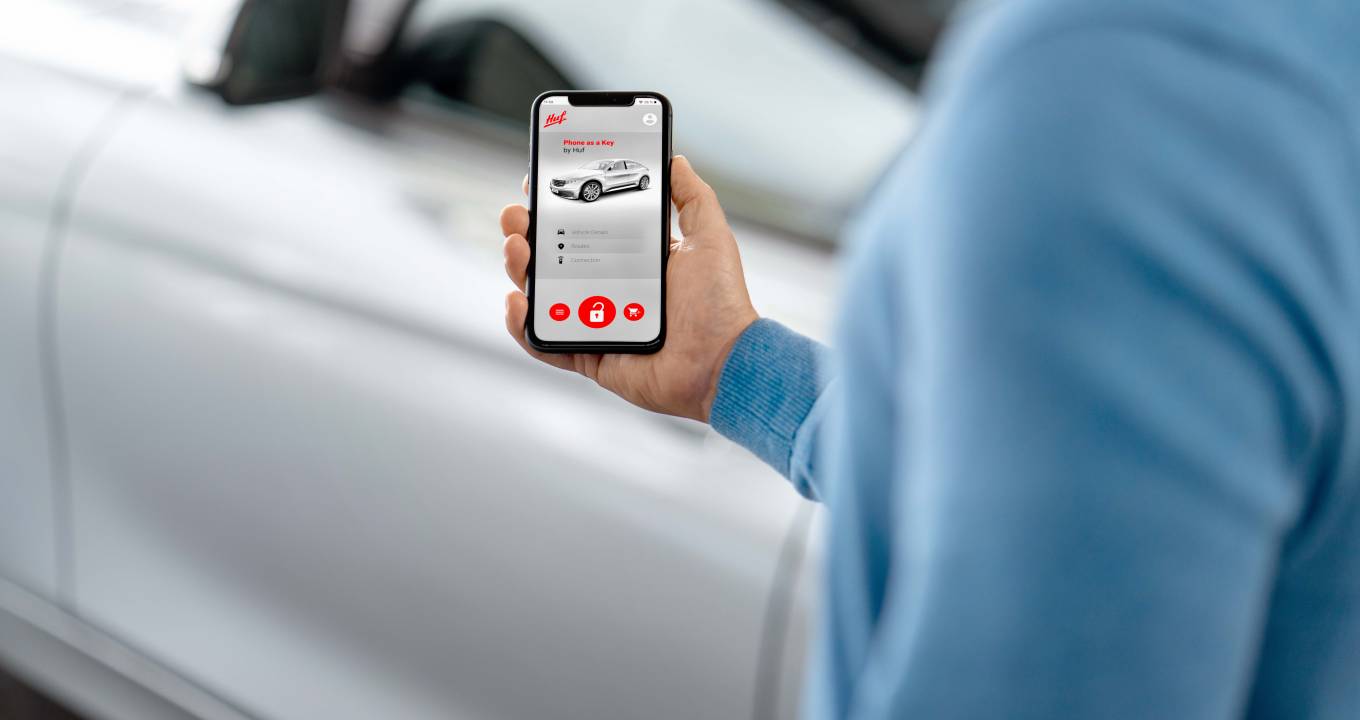
The digital car key has made a major leap forward in recent years. From traditional radio-frequency and infrared keys to NFC, Passive Entry and Phone as a Key with UWB and BLE, vehicle access has become significantly more convenient, secure and software-driven. Yet this progress also highlights a gap: a smartphone is not always the best or most practical solution.
Magazine
Huf presents universal hardware token at Car Connectivity Consortium
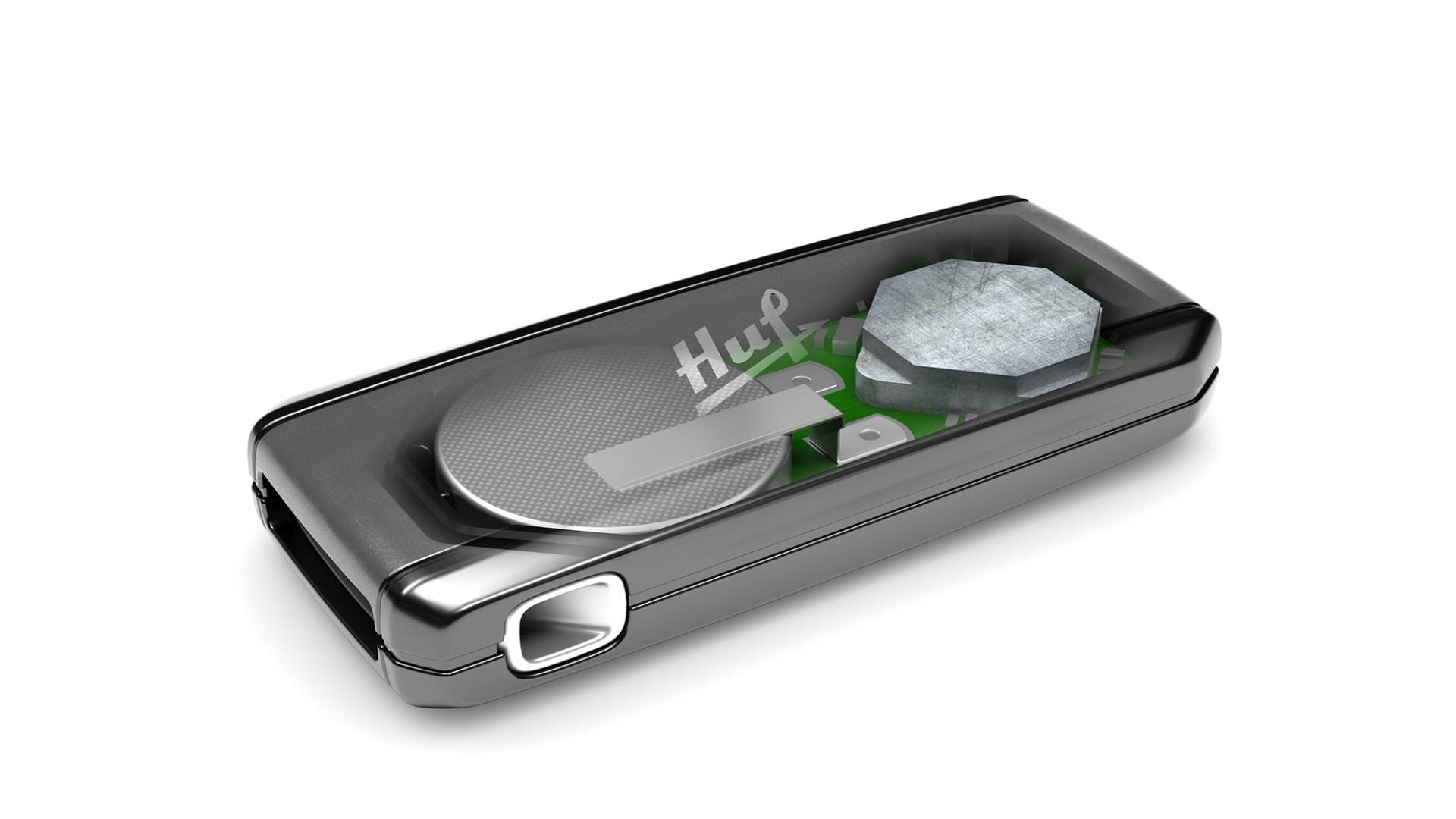
Secure, flexible, scalable: with its universal hardware token, Huf is driving forward the development of a valuable physical extension of the digital key ecosystem within the Car Connectivity Consortium.
Huf presents universal hardware token for digital keys at the Car Connectivity Consortium
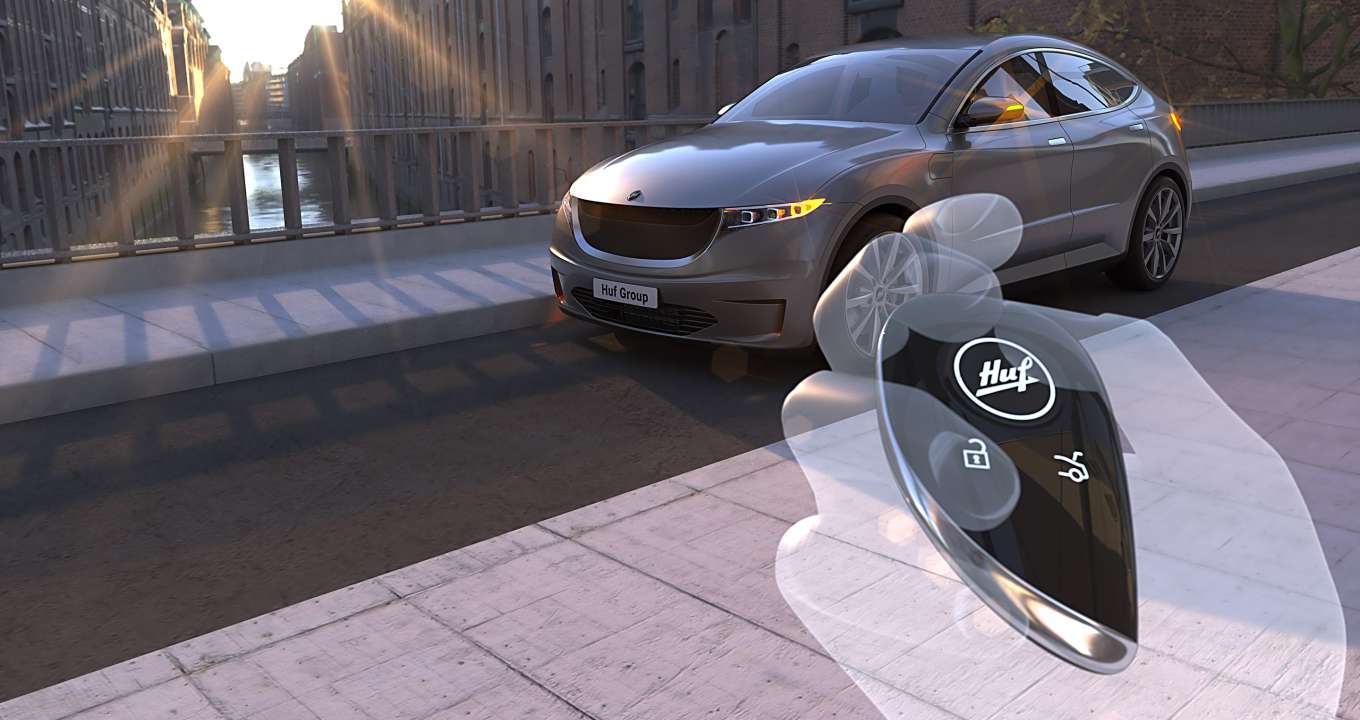
This is where the concept of a universal hardware token comes in. The idea is to create an additional physical access device that uses the advantages of the digital key but is more robust, simpler or more flexible in specific use cases. These include visits to the repair shop, handovers of new bought cars, valet parking, car washes, towing services or use on construction sites. Wherever users deliberately choose not to carry a smartphone, a universal hardware token can also be a useful addition to the Phone as a Key and smart key solutions used in everyday life.
The key point is not simply the introduction of another key, but the creation of a standardized and trusted ecosystem. Instead of brand-specific individual solutions, a universal hardware token could work across vehicle brands and be manufactured by different providers – provided that all automotive players operate within a clearly defined security and certification framework.
Universal hardware token: standardizing the ecosystem in Car Connectivity Consortium
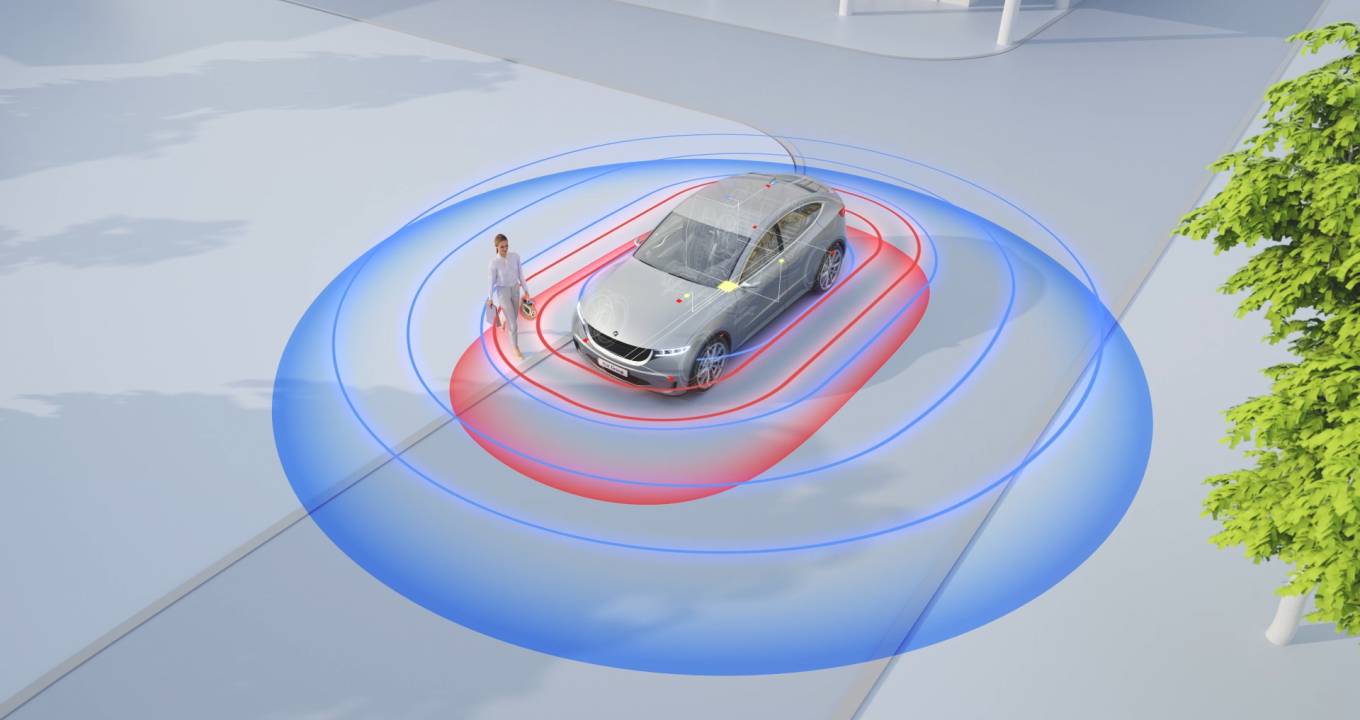
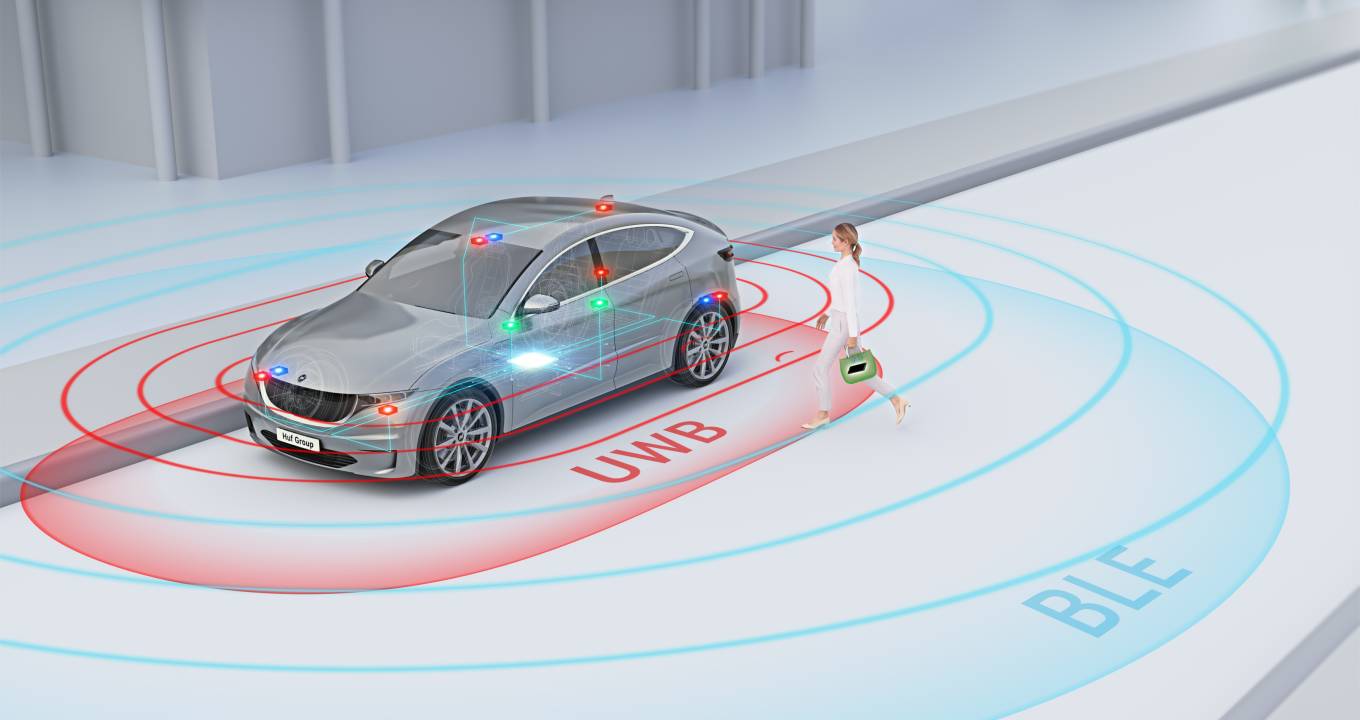
This is precisely where the Car Connectivity Consortium (CCC) plays a central role. Huf has been contributing to the development of digital key standards within the consortium for many years and has now placed the topic of the universal hardware token on the agenda. With the support of major OEMs Huf is driving the standardization of this token, with the aim of defining clear rules for security and interoperability in line with the CCC’s certification framework. Technically, the universal hardware token builds on existing digital-key access methods based on NFC, BLE and UWB, and could be provisioned with the appropriate digital key via a tap with a smartphone or through any standard NFC terminal. The advantage of a CCC-compliant hardware token is that it would not create a parallel standalone system, but a scalable extension of existing standards.
Extending the digital key with an universal hardware token
For automotive manufacturers, the main benefit is clear: besides reduced development time and cost, they gain additional business and new use cases for digital keys without losing control over security and approvals. Car manufacturers could decide which token providers are approved, which entities are active and for which use cases access is permitted. This model brings together two goals that are often difficult to reconcile in mobility: scalability and control.
Especially for service processes, fleet applications and other non-routine situations in which a smartphone is not suitable, the universal hardware token could become a strategic lever. It extends the usability of digital access models beyond the smartphone and makes them more practical for professional and operational environments. For the industry, this represents the next logical step in digital vehicle access: an open, secure and practical model that meets the needs of automotive manufacturers, service partners and, of course, vehicle users alike.
杂志
Related Topics